
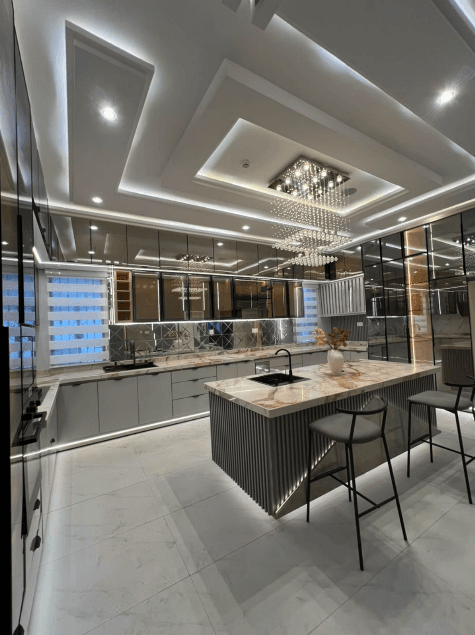
Designing a home is exciting.
You finally get to choose the sofa you've been saving on Pinterest, select the perfect wall colour, buy beautiful lighting, and create the home you've always imagined.
But without proper planning, it is surprisingly easy to spend a lot of money and still end up with a space that doesn't feel right.
From choosing furniture before measuring the room to overlooking lighting, here are 10 common interior design mistakes Lagos homeowners should avoid.
1. Buying Furniture Before Planning the Space
This is one of the most common mistakes.
You see a beautiful sofa in a showroom and immediately imagine it in your living room.
The problem?
You haven't considered the room's dimensions, circulation, other furniture, doors, windows, or architectural features.
A piece can look incredible in a showroom and completely overwhelm your home.
Always start with the space before buying the furniture.
Measure the room. Understand the layout. Consider how people will move through it.
Then select furniture based on those requirements.
2. Choosing Style Over Function
A home can look beautiful and still be frustrating to live in.
Perhaps the coffee table is too large. The dining chairs are uncomfortable. There isn't enough storage. The bedroom doesn't have enough bedside space.
Good interior design considers both aesthetics and everyday life.
Before choosing an item, ask:
How will I actually use this space?
Your home should support your lifestyle—not simply look good in photographs.
3. Getting the Scale Wrong
A room can have beautiful furniture and still feel awkward because the proportions are wrong.
A tiny rug floating in the middle of a large living room.
A huge sectional dominating a small apartment.
A small pendant light above a large dining table.
Scale matters.
The right proportions make a room feel balanced, comfortable, and intentional.
This is one of the reasons professional space planning can make such a noticeable difference.
4. Treating Lighting as an Afterthought
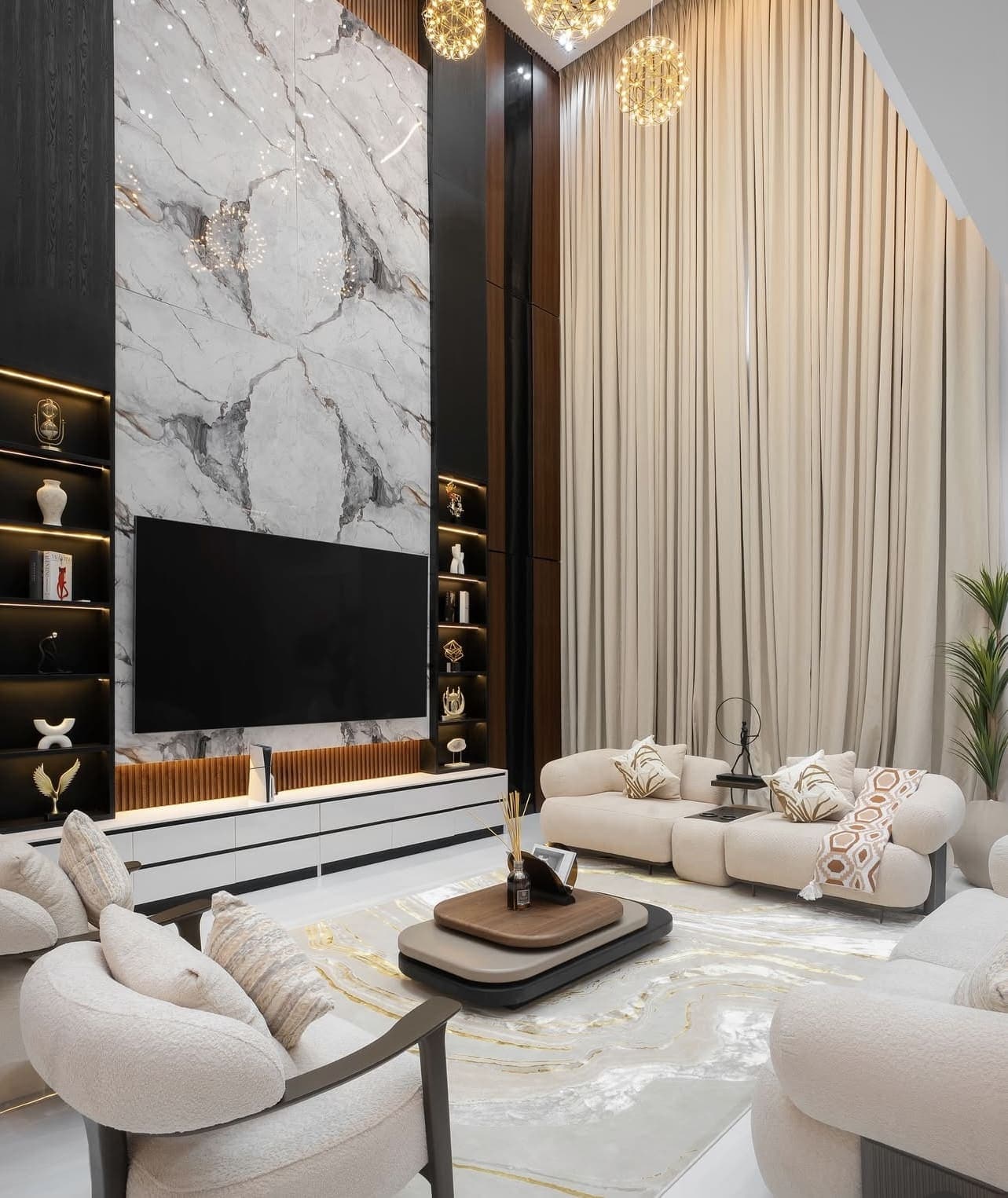
One ceiling light is rarely enough.
Lighting affects how colours appear, how large a room feels, and how comfortable the space is at different times of day.
A thoughtfully designed room may combine:
Ambient lighting for overall illumination.
Task lighting for activities such as reading or working.
Accent lighting to highlight artwork, architectural features, or decorative objects.
The result is a space that can change atmosphere depending on how it is used.
5. Using Too Many Colours
Colour can transform a room, but too many competing colours can make it feel chaotic.
This doesn't mean your home has to be completely neutral.
Instead, create a clear colour story.
Choose a dominant colour, supporting tones, and a few accents.
This gives the eye somewhere to rest and creates a sense of continuity between different areas of the home.
6. Copying Pinterest or Instagram Too Literally
Inspiration is useful.
Copying someone else's home exactly is not.
A design that looks beautiful online may not suit your architecture, lifestyle, natural lighting, climate, or personality.
Use Pinterest and Instagram to identify what you like.
Maybe you love warm wood.
Maybe you like sculptural furniture.
Maybe you prefer neutral interiors.
Maybe you love dramatic lighting.
Take those ideas and translate them into something that belongs to you.
Your home shouldn't look like someone else's mood board.
7. Ignoring Storage
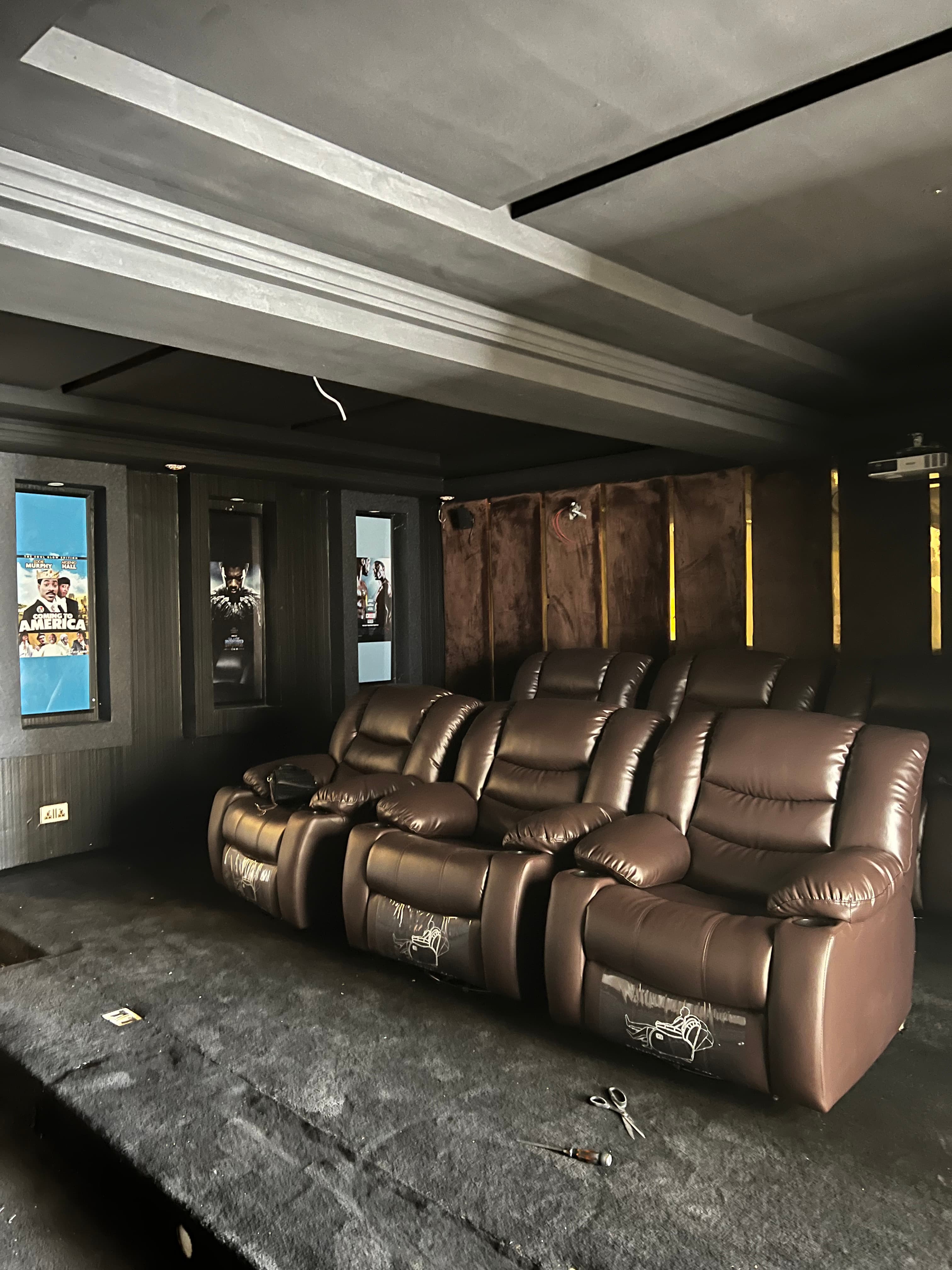
Beautiful homes still need somewhere to put things.
Remote controls. Shoes. Bags. Cleaning supplies. Children's belongings. Kitchen equipment. Everyday items.
When storage isn't considered during the design stage, clutter eventually takes over.
Smart storage can be integrated into the design through custom cabinetry, built-in wardrobes, media units, shelving, concealed storage, and multifunctional furniture.
The goal isn't simply to hide everything.
It is to make everyday life easier.
8. Trying to Finish Everything at Once
There is pressure to make an entire house "perfect" immediately.
But good interiors often develop over time.
Some pieces are worth waiting for.
You don't have to fill every empty corner just because it exists.
A beautiful artwork, antique piece, statement chair, or custom furniture may take time to find.
Instead of buying something simply because you need to fill a space, wait for the right piece.
An intentional home is better than a rushed one.
9. Choosing Materials Without Considering Maintenance
A material may look beautiful but may not be practical for the way you live.
For example, a family with young children may have different requirements from someone living alone.
Similarly, high-traffic areas may require more durable materials than a formal sitting room.
Before selecting finishes, consider:
Durability
Cleaning requirements
Frequency of use
Moisture
Heat
Maintenance
Long-term appearance
Beauty matters.
But practicality matters too.
10. Not Having a Clear Budget
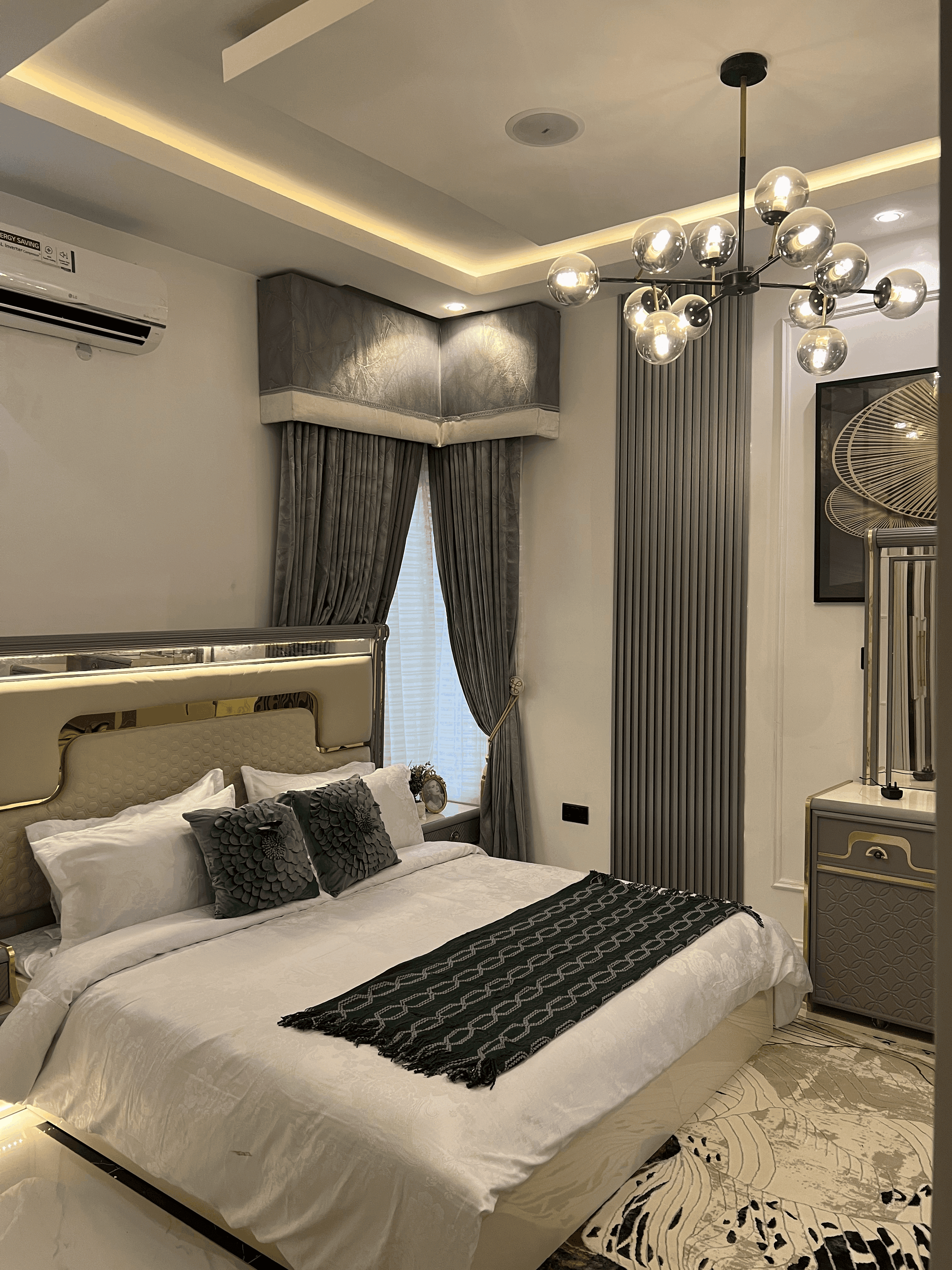
Perhaps the most expensive mistake is starting without understanding what you can realistically invest.
Without a budget, it is easy to overspend on individual items and discover later that there isn't enough left for important parts of the project.
A good budget should consider more than furniture.
Think about:
Design fees
Furniture
Materials
Lighting
Labour
Installation
Custom joinery
Curtains
Accessories
Delivery
Contingency
Having a clear budget from the beginning allows design decisions to be made intentionally.
Great Design Starts Before the First Purchase
Creating a beautiful home isn't about buying the most expensive furniture or following every interior trend.
It starts with understanding the space.
What does the home need?
How will it be used?
What should it feel like?
What deserves investment?
What can be simplified?
When these questions are answered before the shopping begins, the final result becomes much more cohesive.
At JLUXURY, the design process begins with understanding the person behind the space.
Because the goal isn't simply to create a beautiful room.
It's to create a home that works beautifully for the people who live in it.